GPS Tracking 101: How GPS Tracking Works
How GPS Tracking Works
In many ways, GPS tracking is at a stage much like cellular telephones were in the early 1990′s. Everyone knows someone who has one and might have even considered getting GPS tracking for their own uses, but most people have yet to jump on board. Much like with cell phones then, many of us could use a little education regarding how it all works.
In an earlier post, GPS 101, we explored what GPS is. In this post, I am going to do my best to explain GPS tracking and many of its facets.
GPS tracking comes in many forms. These include 1) Vehicle Tracking 2) Equipment Tracking 3) Trailer Tracking 4) Asset Tracking and 5) Specialty Tracking.
Additionally, there are two main types of GPS tracking in terms of useability. The first is a passive tracking device. This type of tracking device has internal storage and does not communicate externally. Therefore, the owner of the device must retrieve the tracking device and connect it to a computer to retrieve the tracking data. The second type of device is a “real time tracking device”. These types of tracking devices might have internal storage but will definitely have a mechanism by which the acquired tracking data is transmitted frequently to a server to be consumed immediately by the owner. The most common transmitting mechanisms are cellular and satellite networks. Where passive and “real time” tracking differs in the subsequent cost of service. There should be no post-hardware-purchase cost with a passive tracking device. However, with “real time tracking devices”, you should always expect an ongoing cost for the use of the data transmission network. For the remainder of this post, we will be discussing “real time tracking devices and service”.
In general, GPS tracking flows as such:
- A GPS tracking device, of some sort, is installed on equipment or a vehicle.
- Once installed and powered on, the tracking device communicates via cellular or satellite to a base server.
- The base server decodes and decrypts the transmitted data and stores it.
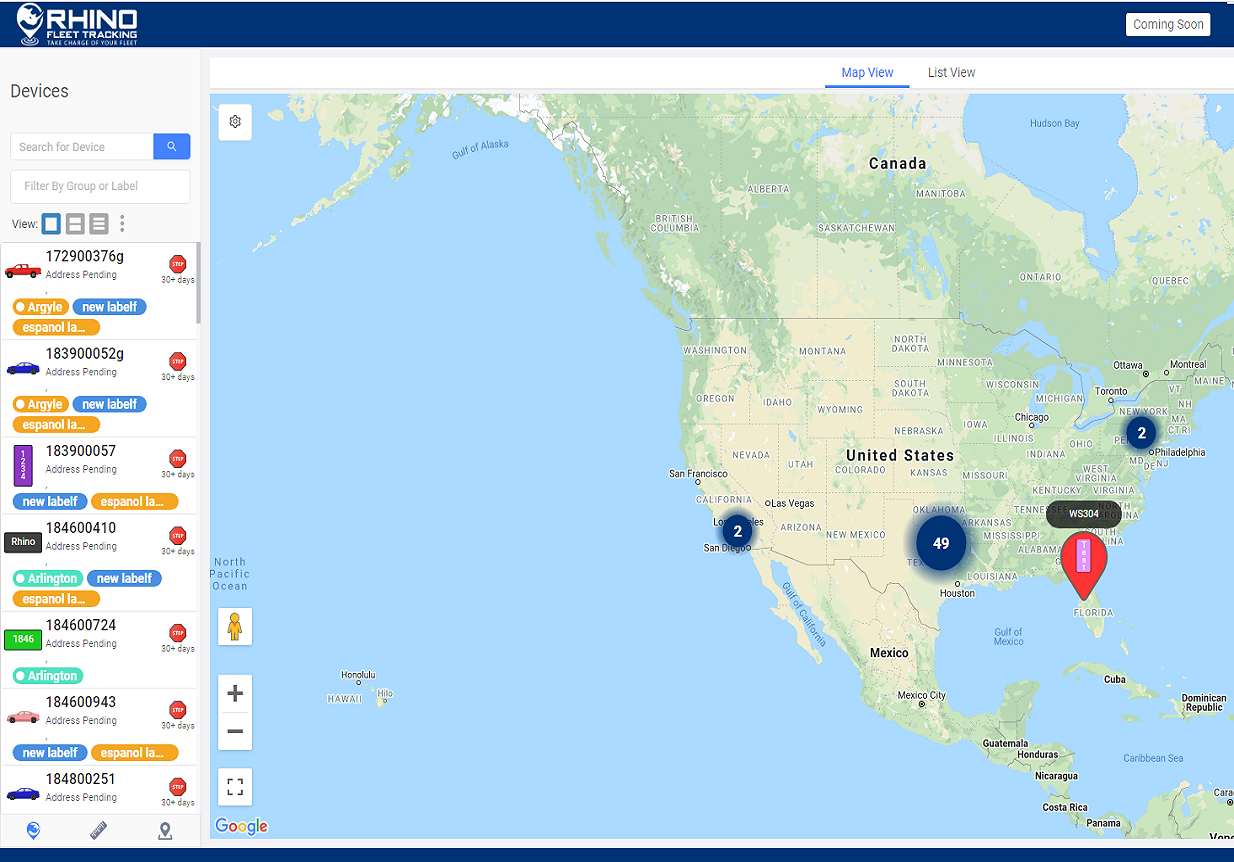
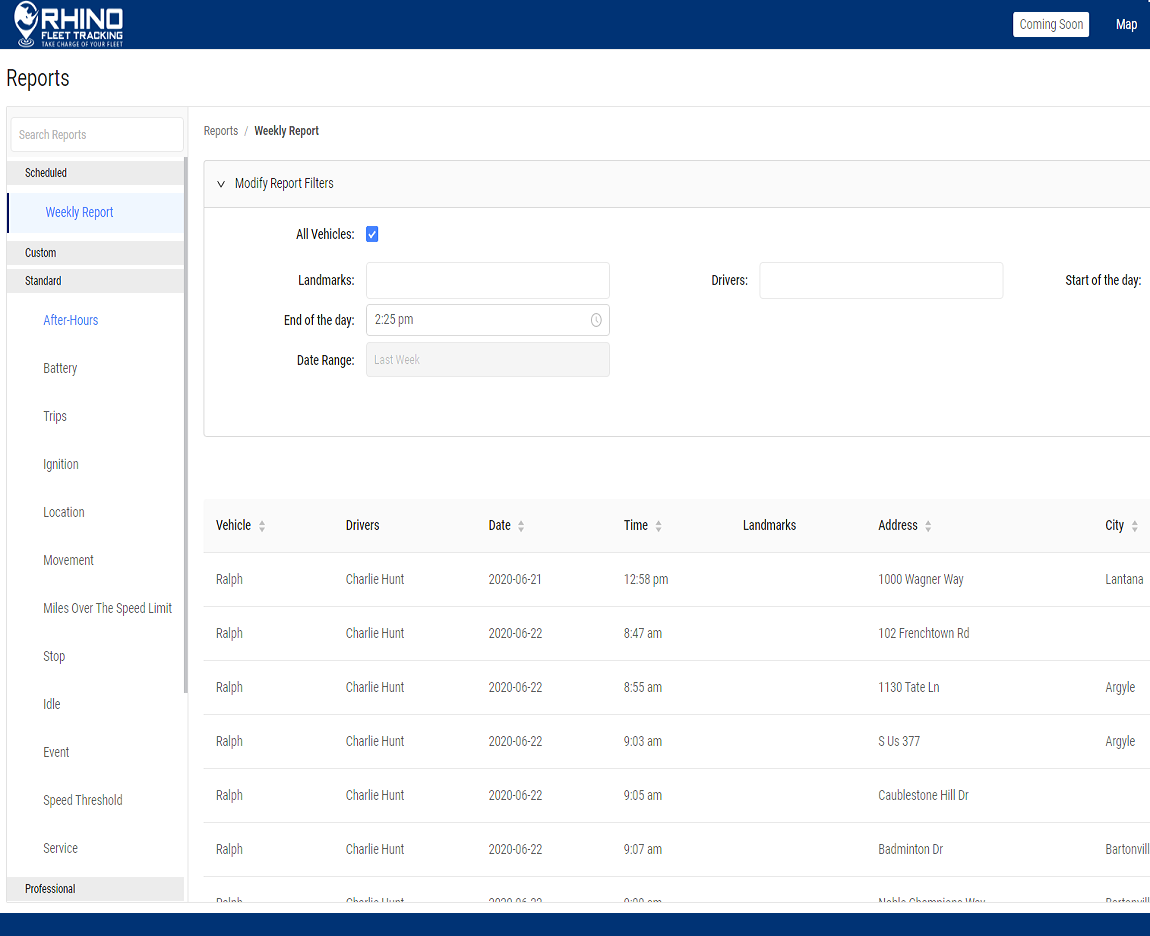
- The consumer of the data is then able to see the tracking data via a user interface such as a desktop application, web application, iPhone application, or other method.
- Optionally, a system might transmit alerts via text message or email to customers based on specific events. These events might include unauthorized use, door openings, geofence violations, and more…
GPS Tracking Systems
The two primary methods of sending data collected by GPS tracking devices are cellular and satellite networks.
Cellular Based GPS Tracking Systems
Cellular based GPS tracking systems are cost-effective and allow for the most data to be sent for the best price. Given that most firm ground on Earth is now covered by cellular networks, cellular based tracking is a great option. This is by far the most common form of communication used today. In cellular networks, the tracking device gathers position data from the GPS satellites to get pinpoint accuracy (usually within about a meter) and then transmits that location data, as well as speed, heading, and other information over a terrestrial cellular network. The data is collected by a server and then rendered for the consumer of the tracking data. If you are shopping for GPS tracking service, you will almost always find that cellular-based tracking is a less expensive option and that you are able to get a lot more data for the price. An additional benefit with cellular-based tracking systems is that they will commonly allow for reconfiguration over-the-air. Thus, a device deployed remotely can be sent a new set of instructions to adjust the way it operates and communicates.
Satellite Based GPS Tracking Systems
Satellite based tracking differs from cellular tracking in that the transmission of data is done over the satellite network. Thus, satellite tracking devices are able to communicate in areas where cellular service is not available. This includes unpopulated areas and the world’s oceans. Intermodal carriers frequently use satellite tracking devices to track containers that will sit on ships for transport. There are several satellite networks available for use. Several companies provide satellite communication services. In most cases, satellite tracking devices work as 1-way tracking devices. This means that the devices will send data to the server but not commonly receive data for reconfiguration. However, it is not impossible that a satellite tracking device will receive data through the network.
Power Options for Tracking Devices
As is true with all electronic devices, tracking devices all require power to operate. Thus every tracking device is limited in what it can do by the power it has to consume.
Powered or Installed Tracking Devices typically install in a vehicle or on a piece of equipment that has a constant source of power. As a result, these units can gather and send large quantities of data without concern of service interruption.
Battery Powered Tracking Devices have multiple challenges to overcome. Length of service, size of battery, temperature, and replacement/recharging options are the most daunting. Any GPS tracking device that depends solely on battery will have to balance the frequency of transmissions of data and acquisition of location with the length of the battery life. As is always the case, the size of the batteries used is of great concern. Though the tracking devices are engineered to consume minimal power, the devices are still either cellular or satellite modems and must have ample power to connect to satellites and cellular networks. Generally, this requires creativity and understanding on the part of the consumer and manufacturer. Most tracking devices allow for configurations that are based on movement or other actions. Thus, a device can consume the least power possible and thus extend the battery life. It is most common to see battery tracking devices with a single charge lifespan of about 2.5 years for cellular devices and up to 7 years with satellite devices depending on the configuration of the devices. Of course, with more frequent communications, batteries will deplete their charge more quickly.
Getting Help
If you are new to GPS tracking or are simply looking for other options to achieve your needs, you are best to call an expert. Track What Matters offers tracking services with multiple device and service options. The easiest way to learn more is to call 1-800-293-0420.


Twitter
Vehicle theft is on the rise, we always go out installing GPS Trackers for customers who’ve had their car stolen and regret not having one previously . have great advice and upto date news on stolen vehicle recovery systems and car trackers.